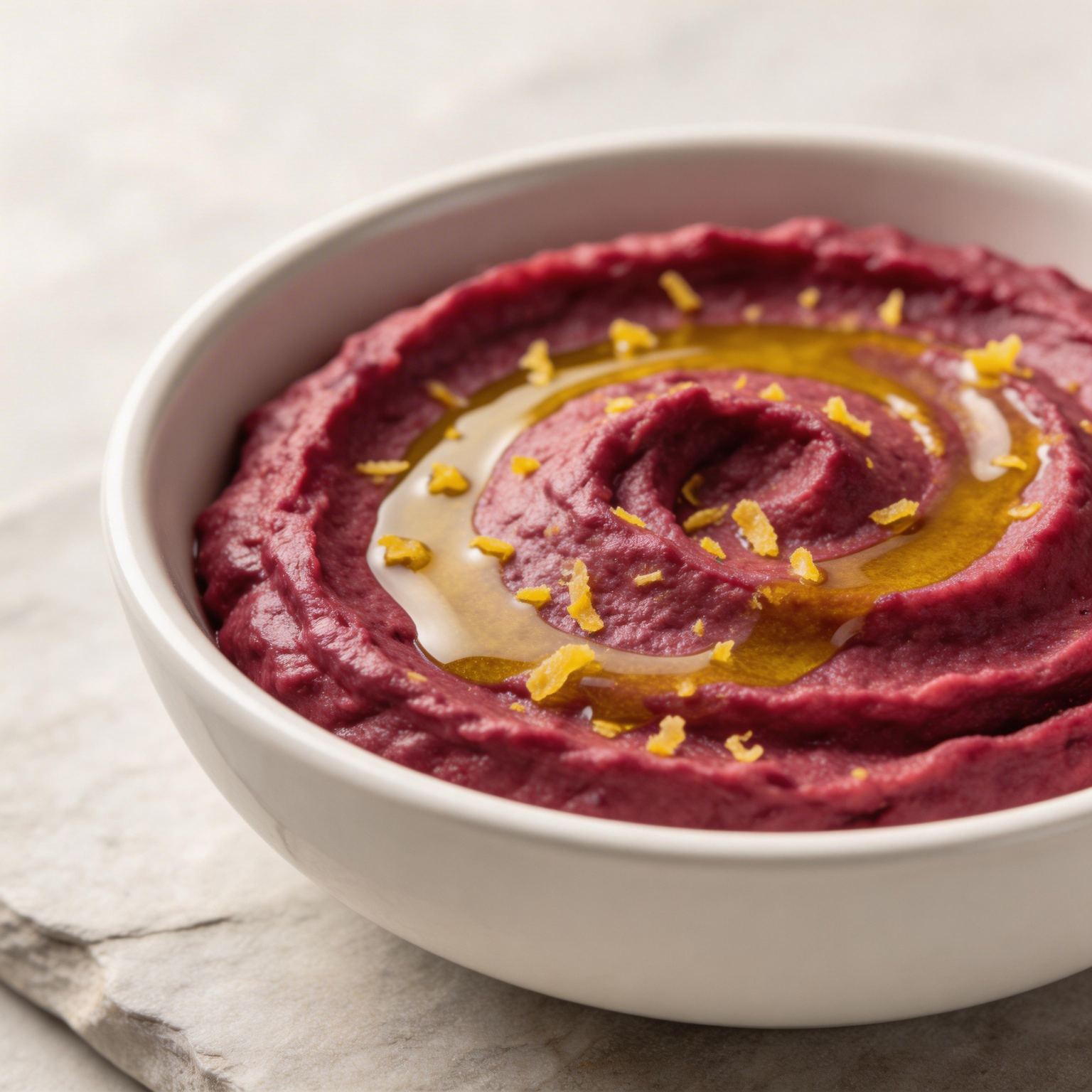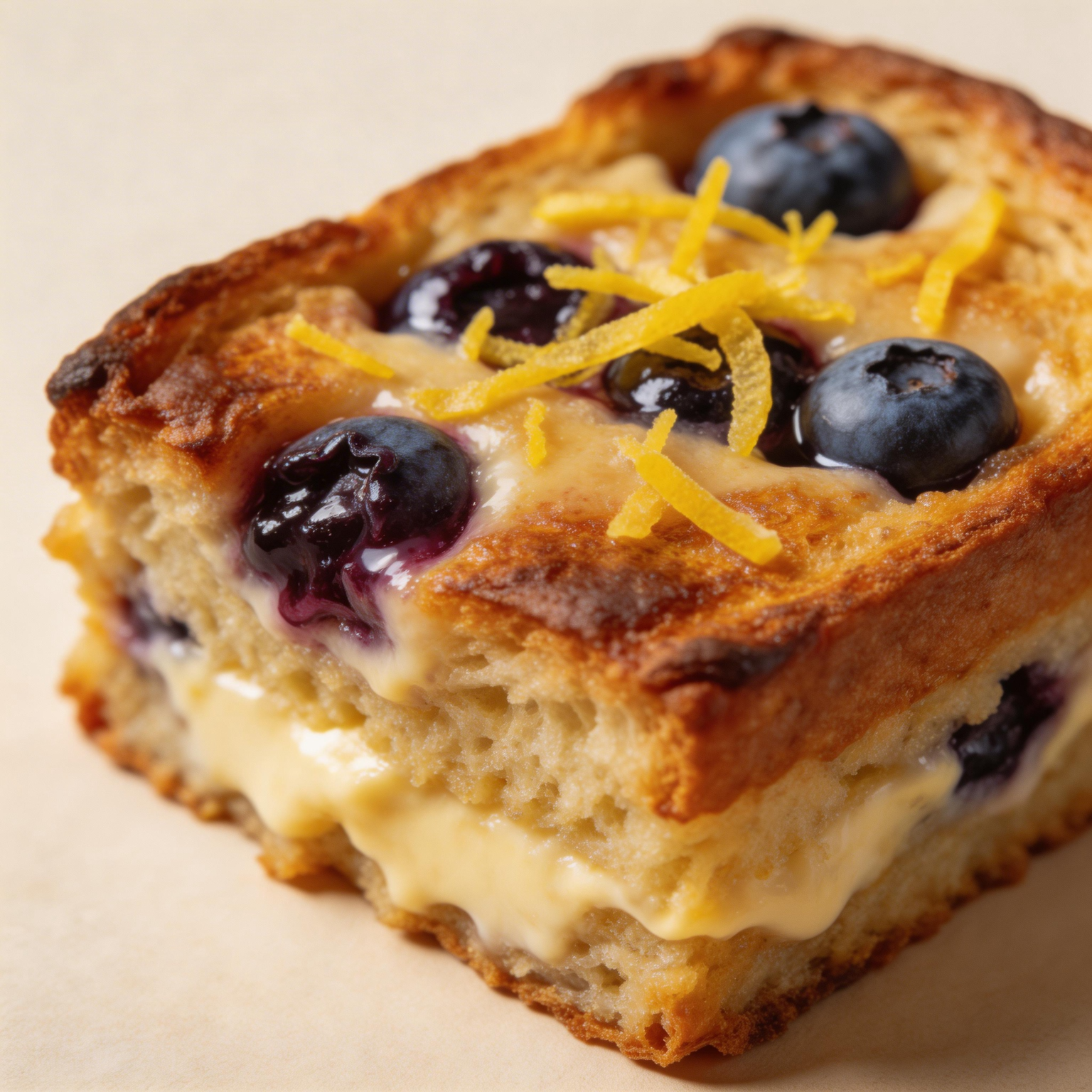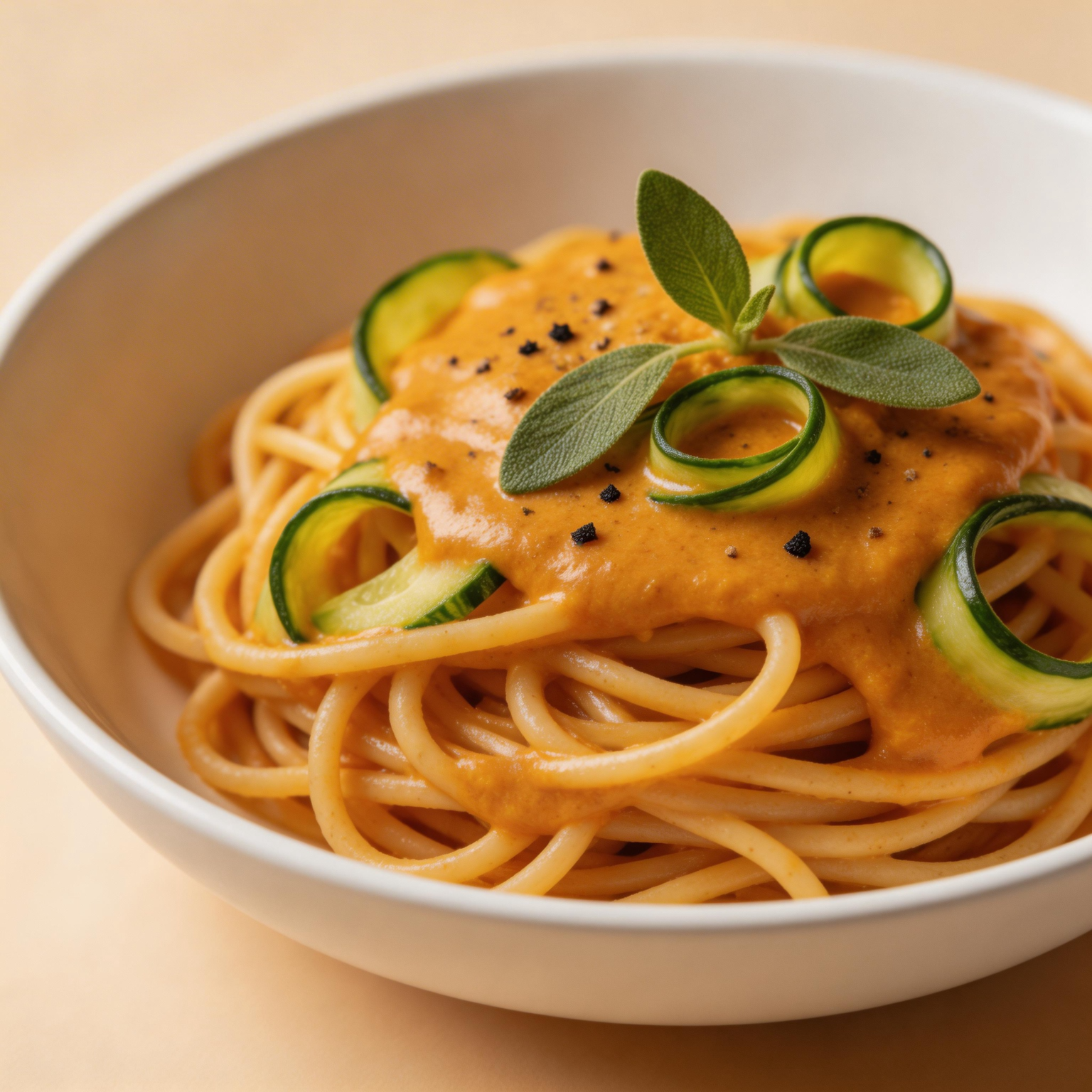
This velvety, nutrient-dense pasta fusion combines the anti-inflammatory properties of fresh sage with the high-fiber benefits of butternut squash and zucchini, creating a heart-healthy, 30-minute meal that satisfies cravings without the insulin spikes of traditional white pasta.
Ingredients
- 2 Tbsp extra virgin olive oil
- 1 medium onion, chopped into large chunks
- 3 cloves garlic, minced
- 2 lb. butternut squash, peeled and cubed (approx. 3 cups)
- 1/4 tsp. ground nutmeg
- Sea salt and cracked black pepper, to taste
- 3 fresh sage leaves, finely minced
- 2 cups low-sodium vegetable broth
- 8 oz. Whole wheat spaghetti (100% whole grain)
- 2 medium zucchini, spiralized into “zoodles”
Recommended Ingredients:
Heavy-Duty Vegetable Spiralizer:
View on Amazon >
*Expert Tip: A high-quality spiralizer ensures consistent “al dente” vegetable strands that mimic the texture of traditional pasta.*
Whole Wheat Organic Spaghetti:
View on Amazon >
*Expert Tip: Choosing whole grain options increases complex carbohydrate intake, which stabilizes blood glucose levels.*
Instructions
- Sauté: In a large skillet over medium heat, add olive oil. Sauté
- Softened Squash: Incorporate the butternut squash, nutmeg, salt, and pepper. Cover the skillet and cook for 8 minutes, stirring occasionally. Stir in the fresh sage and cook for one additional minute to release its essential oils.
- Simmer: Pour in the vegetable broth and bring to a boil. Reduce heat to a simmer and cook uncovered for 20 minutes. The squash should be fork-tender and the liquid reduced by half.
- Prepare Pasta: While the sauce simmers, boil a large pot of salted water. Cook the whole wheat spaghetti according to package directions. Drain and set aside.
- Emulsify Sauce: Transfer the slightly cooled squash mixture to a food processor or high-speed blender. Pur
- Final Toss: Combine the cooked spaghetti, raw zucchini noodles, and squash pur
- Serve: Garnish with additional fresh sage and cracked pepper. Serve immediately.
Kitchen Tech Box: For the smoothest sauce possible, use a high-powered blender rather than a food processor. This creates a “cream-like” emulsion without the need for heavy dairy or saturated fats.
Professional Notes
Storage:
Leftovers can be kept in an airtight glass container in the refrigerator for up to 3 days. To maintain the integrity of the sauce, reheat gently on the stovetop with a tablespoon of water or broth.
Freezing:
The butternut squash sauce is highly freezer-friendly and can be stored for up to 3 months. However, we do not recommend freezing the zucchini noodles or the combined dish, as the cellular structure of the zucchini will break down and become watery upon thawing.