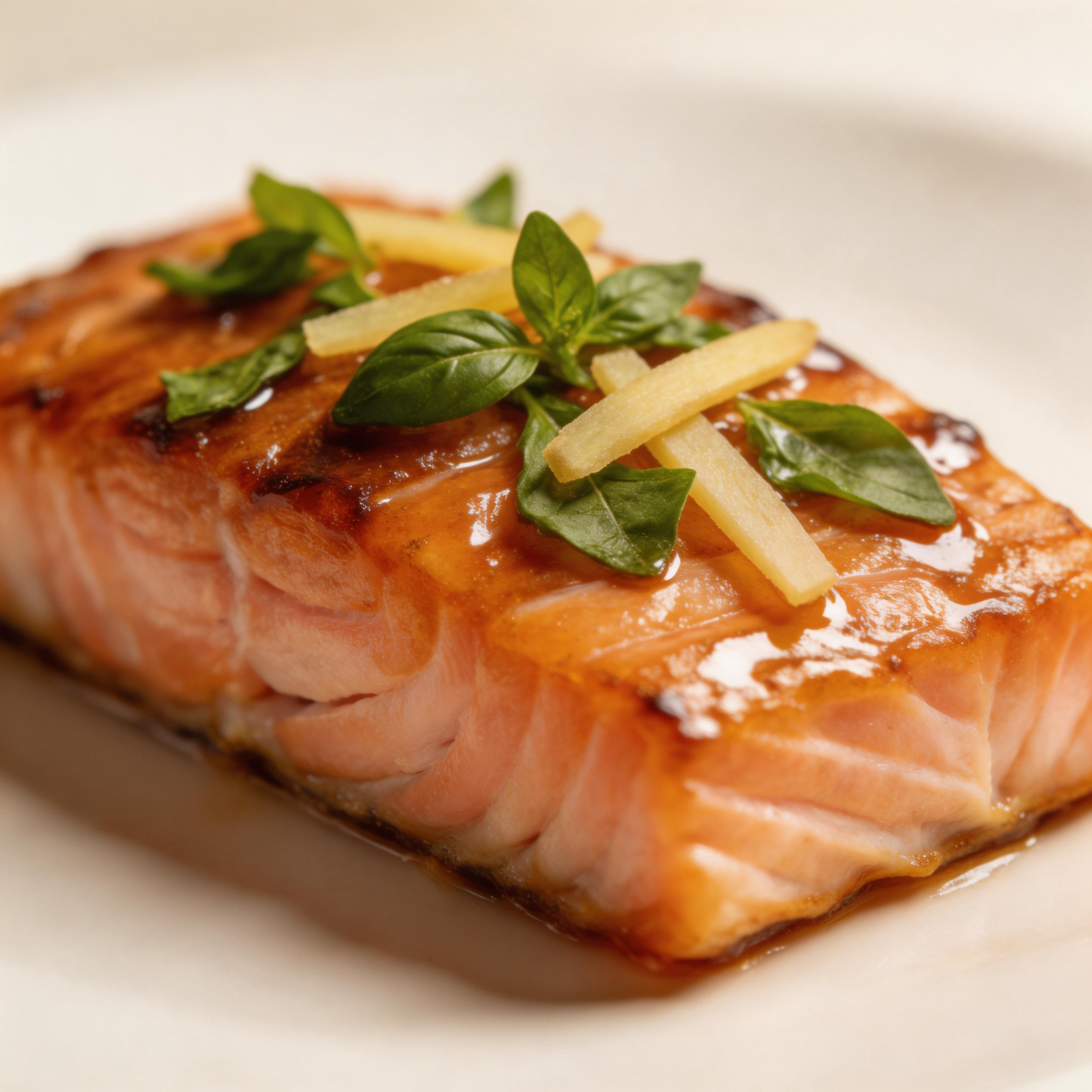
Elevate your weeknight nutrition with this Ginger Basil Salmon in Foil
Ingredients for Metabolic Success
- 2 lb Fresh Salmon Fillet: Opt for wild-caught to maximize anti-inflammatory Omega-3 content.
- 1/2 tsp Sea Salt: To enhance natural flavors and provide essential electrolytes.
- 3 Tbsp Rice Vinegar: Adds a bright acidity to aid digestion.
- Juice of half a Lemon: Provides a burst of Vitamin C and fresh enzymes.
- 1 Tbsp Raw Honey: A natural, unrefined sweetener to balance the flavor profile.
- 1 Tbsp Low-Sodium Soy Sauce: Or coconut aminos for a soy-free, gut-friendly alternative.
- 1 Tbsp Fresh Ginger: Grated for potent anti-inflammatory benefits.
- 2 tsp Sriracha: Adds capsaicin to gently boost metabolic thermogenesis.
- 3 Cloves Garlic: Minced fresh for immune system support.
- 2 Tbsp Fresh Basil: Chopped to provide aromatic phytochemicals.
Recommended Ingredients:
Organic Coconut Aminos: View on Amazon
*Expert Tip: Use coconut aminos as a 1:1 replacement for soy sauce to reduce sodium intake and avoid hidden soy-based phytoestrogens.
Step-by-Step Preparation
- Oven Calibration: Preheat your oven to 375°F.
- Salmon Positioning: Place the salmon fillet in the center of the foil. Season the surface evenly with sea salt to prime the protein.
- The Marinade Infusion: In a small glass bowl, whisk together the rice vinegar, lemon juice, raw honey, soy sauce (or aminos), grated ginger, sriracha, minced garlic, and chopped basil.
- Sealing the Flavor: Pour the marinade over the salmon, ensuring the entire surface is coated. Fold the foil edges together tightly to create a sealed “steam packet,” which preserves moisture and nutrients.
- Thermal Processing: Bake for 15 to 20 minutes. For a professional finish, carefully open the foil and place the salmon under the broiler for the final 3 minutes.
Kitchen Tech Check:
Digital Meat Thermometer: View on Amazon
*Expert Tip: To ensure peak texture and nutrient density, pull the salmon when the internal temperature reaches 140°F.
Professional Notes & Storage
Storage Strategy: Store any remaining salmon in an airtight glass container in the refrigerator for up to 3 days. Glass is preferred to prevent any leaching of plasticizers into the healthy fats of the fish.
Reheating Guidelines: To maintain the delicate texture of the omega-3 fats, reheat gently in the oven at 325°F for 5 to 10 minutes.
Freezing Instructions: While fresh is best for texture, you can freeze cooked salmon for up to 1 month. Thaw in the refrigerator overnight before reheating to preserve the protein structure.
Pro Serving Tip: Pair this salmon with a side of steamed asparagus or cauliflower rice to maintain a low-insulin response while maximizing micronutrient absorption.