Discover how to transform simple, shelf-stable ingredients into nutrient-dense, insulin-friendly meals that nourish your family and simplify your kitchen routine.
Maximizing your kitchen’s potential starts with understanding the power of staples. During times when fresh produce may be limited, relying on high-quality grains, legumes, and lean canned proteins ensures your body receives the essential macronutrients it needs to thrive. These recipes are designed to be quick, simple, and freezer-friendly, allowing you to plan ahead with confidence.
Organic Quinoa: View on Amazon >
*Expert Tip: Quinoa is a complete protein, providing all nine essential amino acids necessary for muscle repair.*
Gluten-Free Rolled Oats: View on Amazon >
*Expert Tip: Oats contain beta-glucan, a soluble fiber that aids in lowering cholesterol and improving heart health.*
Essential Pantry Categories
- Complex Carbohydrates: Oats, Quinoa, Brown Rice, Lentils, and Whole Wheat Pasta.
- Plant-Based Proteins: Canned Chickpeas, Black Beans, and Nut Butters.
- Lean Canned Proteins: Tuna and Salmon in water.
- Flavor Enhancers: Canned Tomatoes, Coconut Milk, and Dried Spices.
Nutrient-Dense Oatmeal & Breakfasts
- Carrot Cake Oatmeal Breakfast Bars
- Blueberry Oatmeal Breakfast Bars
- Salted Caramel Overnight Oats
- Raspberry Almond Baked Oatmeal
- Blueberry Almond Flour Pancakes
- Whole Wheat Banana Waffles
Fiber-Rich Grains & Legumes
- Perfect Instant Pot Brown Rice
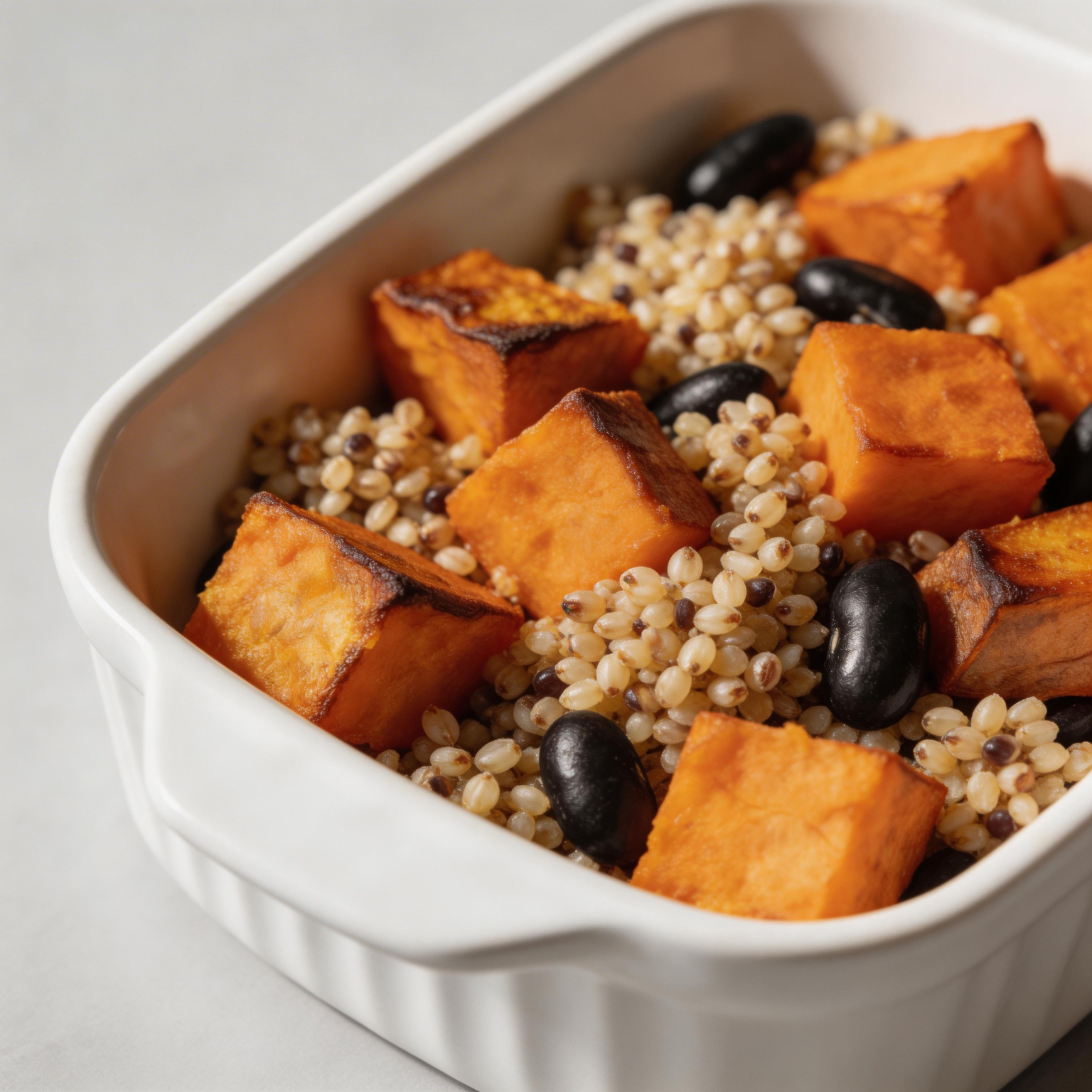
- Sweet Potato & Black Bean Quinoa Bake
- Spicy Chickpea Quinoa Bowls
- Lentil & Sweet Potato Stew
- Vegan Sweet Potato & Lentil Soup
- Tuna Rigatoni with Sun-Dried Tomatoes
Hearty Soups & Comforting Pasta
- The BEST Turkey Chili
- Slow Cooker Butternut Squash & Farro Chili
- Olive Garden Inspired Minestrone Soup
- Asian Peanut Noodles
- Healthy Pumpkin & Sage Stuffed Shells
When working with pantry staples like dried beans or brown rice, utilizing an Instant Pot or Slow Cooker can significantly reduce active cooking time while preserving the bioavailability of nutrients.
Professional Notes
Storage Optimization: Store dry grains and legumes in airtight glass containers in a cool, dark place to extend shelf life up to 1-2 years. Once cooked, these items generally last 4-5 days in the refrigerator.
Freezing for Longevity: Most of these recipes, especially soups, stews, and oatmeal bars, are highly freezer-stable. Allow meals to cool completely before transferring to silicone freezer bags or glass containers. Label with the date; most pantry-based meals maintain peak quality for 3 months in the freezer.